Why Quality Cladding Inspections Matter for Safety
- Hasan Alaa
- 2 days ago
- 4 min read
In recent years, the importance of cladding inspections has come to the forefront of building safety discussions. With several high-profile incidents highlighting the dangers of poor cladding, ensuring that buildings are properly inspected has never been more critical. Cladding serves as a protective layer for buildings, but when it fails, the consequences can be dire. This blog post will explore why quality cladding inspections are essential for safety, the risks associated with inadequate inspections, and how to ensure that your building is up to standard.
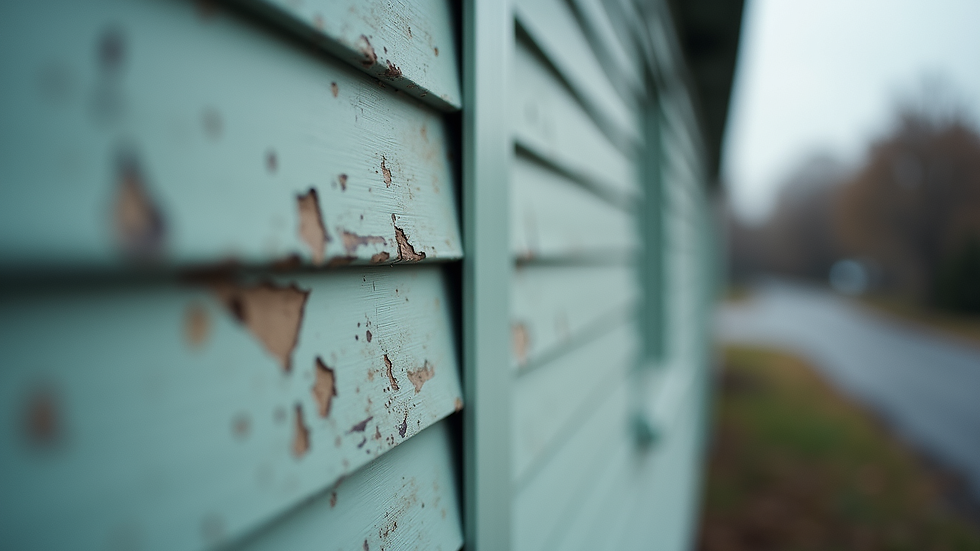
Understanding Cladding and Its Importance
Cladding is the outer layer of a building that serves both aesthetic and functional purposes. It protects the structure from weather elements, provides insulation, and contributes to the overall design. However, not all cladding materials are created equal, and some can pose significant risks if not properly maintained or inspected.
Types of Cladding Materials
There are various types of cladding materials, each with its own set of advantages and disadvantages. Common materials include:
Vinyl: Affordable and low-maintenance but can warp in extreme temperatures.
Wood: Offers a natural aesthetic but requires regular maintenance to prevent rot and insect damage.
Metal: Durable and fire-resistant but can be prone to corrosion if not properly treated.
Brick: Long-lasting and low-maintenance but can be expensive to install.
Understanding the properties of these materials is crucial for assessing their safety and longevity.
The Risks of Poor Cladding Inspections
Inadequate cladding inspections can lead to severe safety hazards. Here are some of the risks associated with neglecting this critical aspect of building maintenance:
Fire Hazards
One of the most alarming risks associated with poor cladding inspections is the potential for fire. Certain cladding materials, especially those that are not fire-rated, can contribute to the rapid spread of flames. The Grenfell Tower fire in London is a tragic example of how flammable cladding can lead to catastrophic outcomes.
Structural Damage
Cladding that is not properly maintained can lead to water infiltration, which can cause structural damage over time. This can weaken the building's integrity and lead to costly repairs. Regular inspections can help identify issues before they escalate.
Health Risks
Mold and mildew can develop in buildings with compromised cladding, leading to health issues for occupants. Poor air quality can result from trapped moisture, which can exacerbate respiratory problems and other health concerns.
The Role of Quality Inspections
Quality inspections are essential for identifying potential issues with cladding before they become serious problems. Here are some key components of a thorough cladding inspection:
Visual Assessment
A visual inspection involves examining the cladding for signs of damage, such as cracks, warping, or discoloration. Inspectors should also look for gaps or loose panels that could allow water infiltration.
Material Testing
In some cases, it may be necessary to conduct material testing to determine the integrity of the cladding. This can involve sampling materials to check for fire resistance or structural soundness.
Compliance Checks
Building codes and regulations vary by location, and it is crucial to ensure that the cladding meets all local safety standards. Inspectors should be familiar with these regulations and ensure compliance during their assessments.
Choosing the Right Inspection Service
Not all inspection services are created equal. When selecting a cladding inspection service, consider the following factors:
Experience and Qualifications
Look for inspectors with experience in cladding assessments and relevant qualifications. Certifications from recognized organizations can indicate a higher level of expertise.
Reputation
Research the inspection service's reputation by reading reviews and testimonials from previous clients. A company with a strong track record is more likely to provide quality inspections.
Comprehensive Services
Choose a service that offers a comprehensive inspection, including visual assessments, material testing, and compliance checks. This ensures that all aspects of the cladding are thoroughly evaluated.
The Cost of Neglecting Inspections
While it may be tempting to postpone cladding inspections to save money, the long-term costs can be significant. Here are some potential expenses associated with neglecting inspections:
Repair Costs
Addressing issues that arise from poor cladding can be expensive. Water damage, mold remediation, and structural repairs can quickly add up, often costing far more than regular inspections.
Legal Liabilities
Building owners may face legal liabilities if their properties are found to be unsafe due to inadequate inspections. This can lead to costly lawsuits and damage to the owner's reputation.
Increased Insurance Premiums
Insurance companies may raise premiums for buildings that do not meet safety standards. Regular inspections can help maintain lower insurance costs by demonstrating a commitment to safety.
Conclusion
Quality cladding inspections are not just a regulatory requirement; they are a vital component of building safety. By ensuring that your building's cladding is regularly inspected and maintained, you can protect occupants, preserve the structure's integrity, and avoid costly repairs down the line.
Investing in quality inspections is an investment in safety. Don't wait for a disaster to strike; take proactive steps to ensure that your building is safe and compliant. Reach out to a qualified inspection service today to schedule your cladding inspection and safeguard your property for the future.

Comments